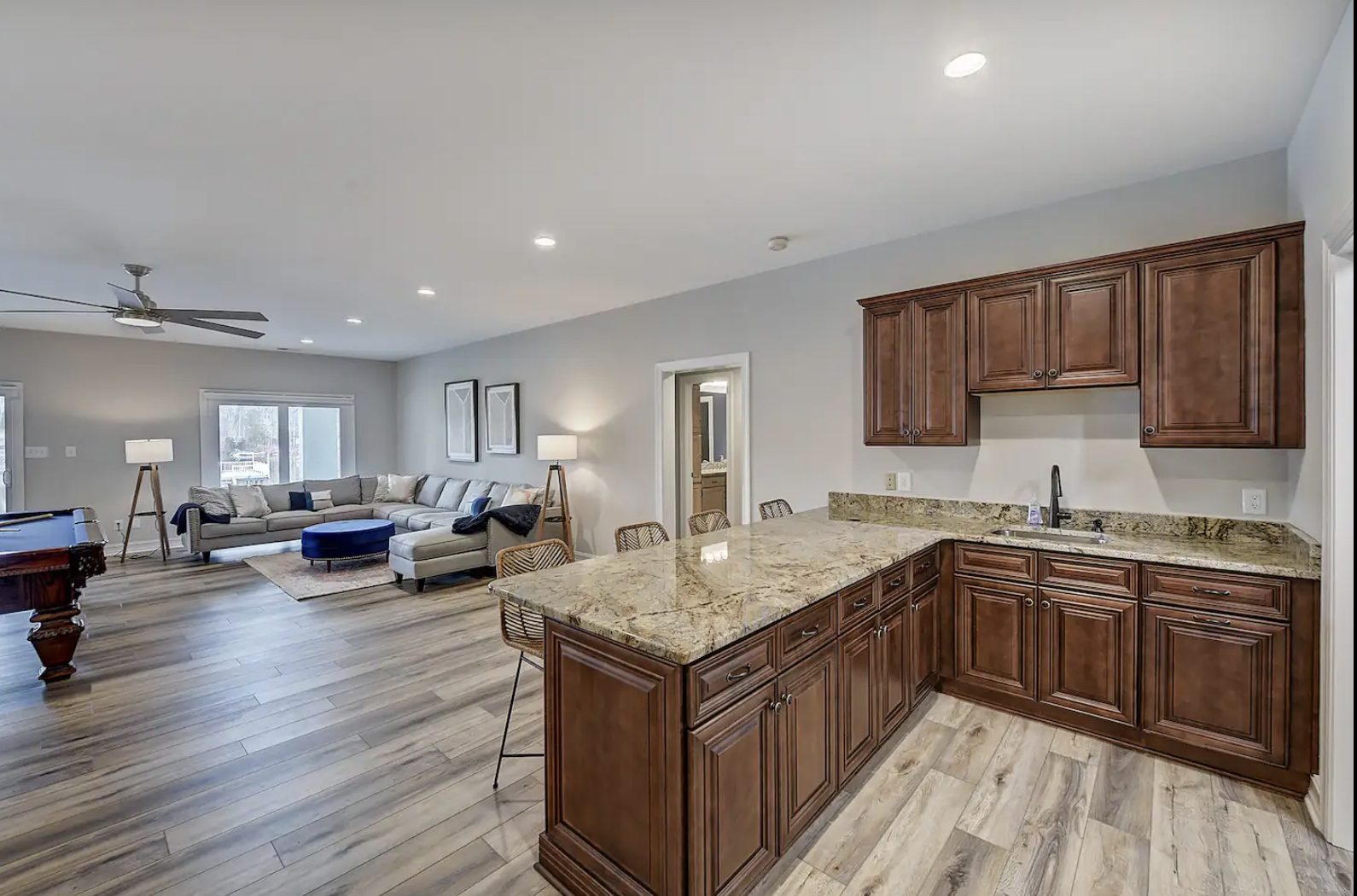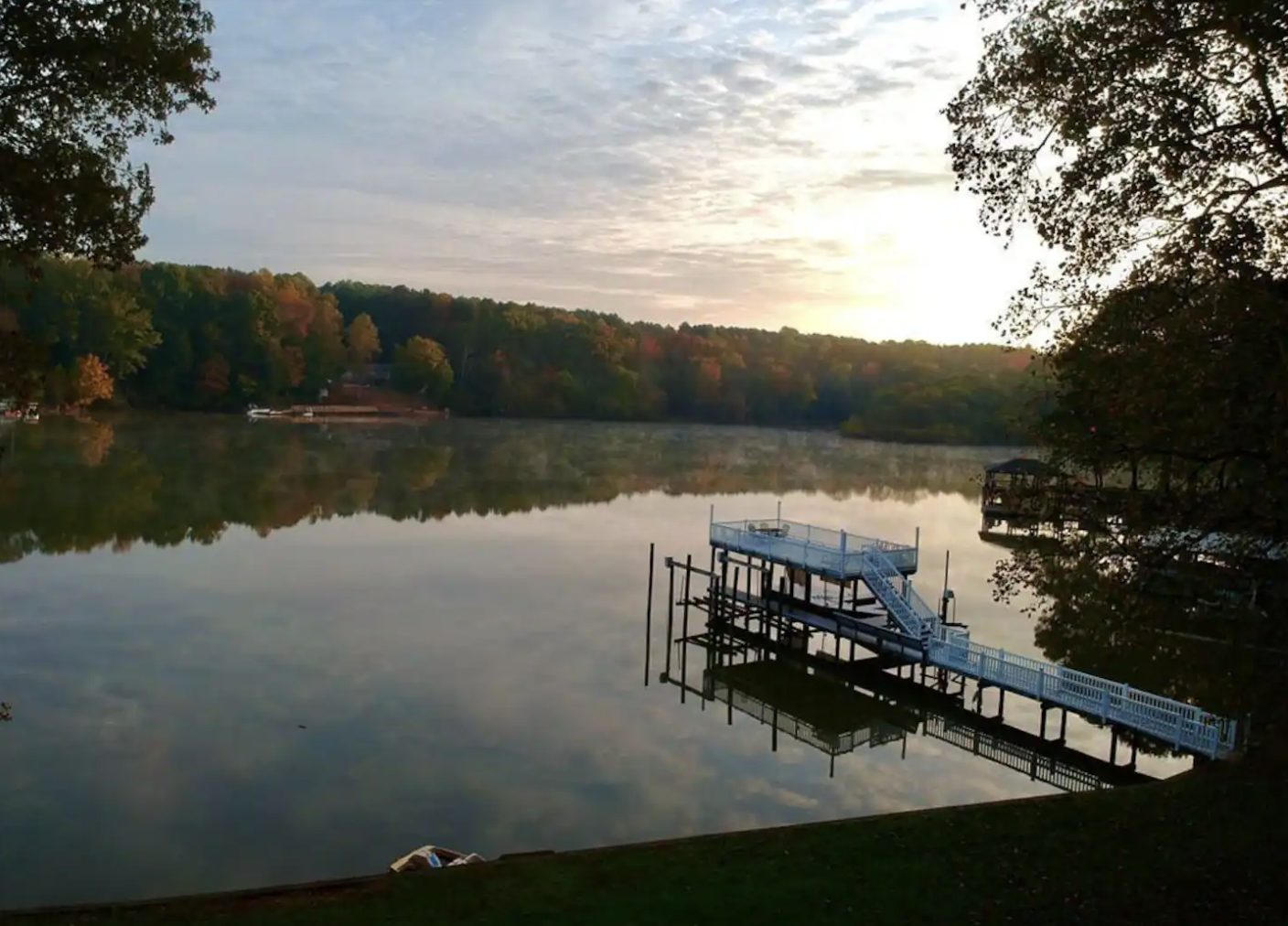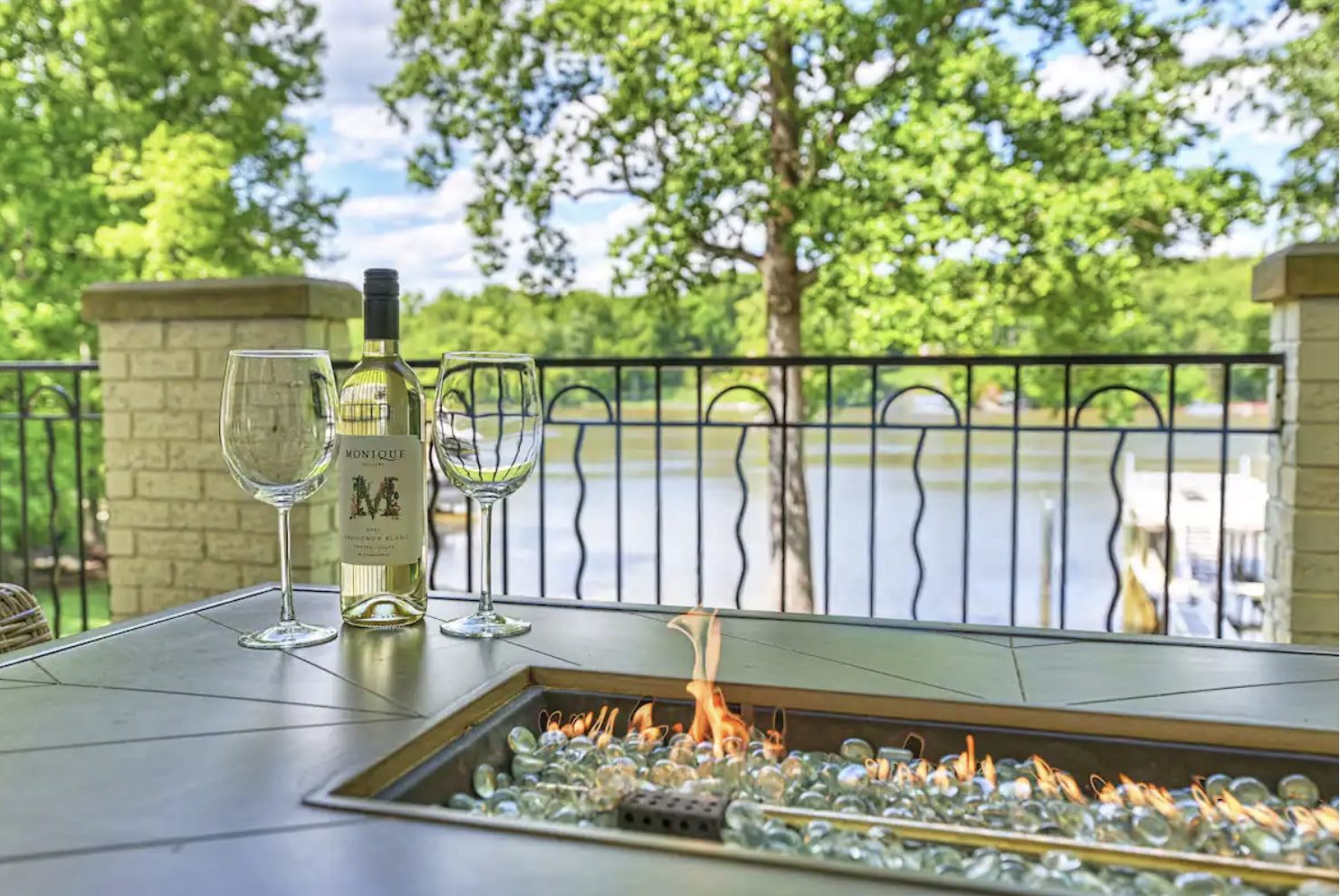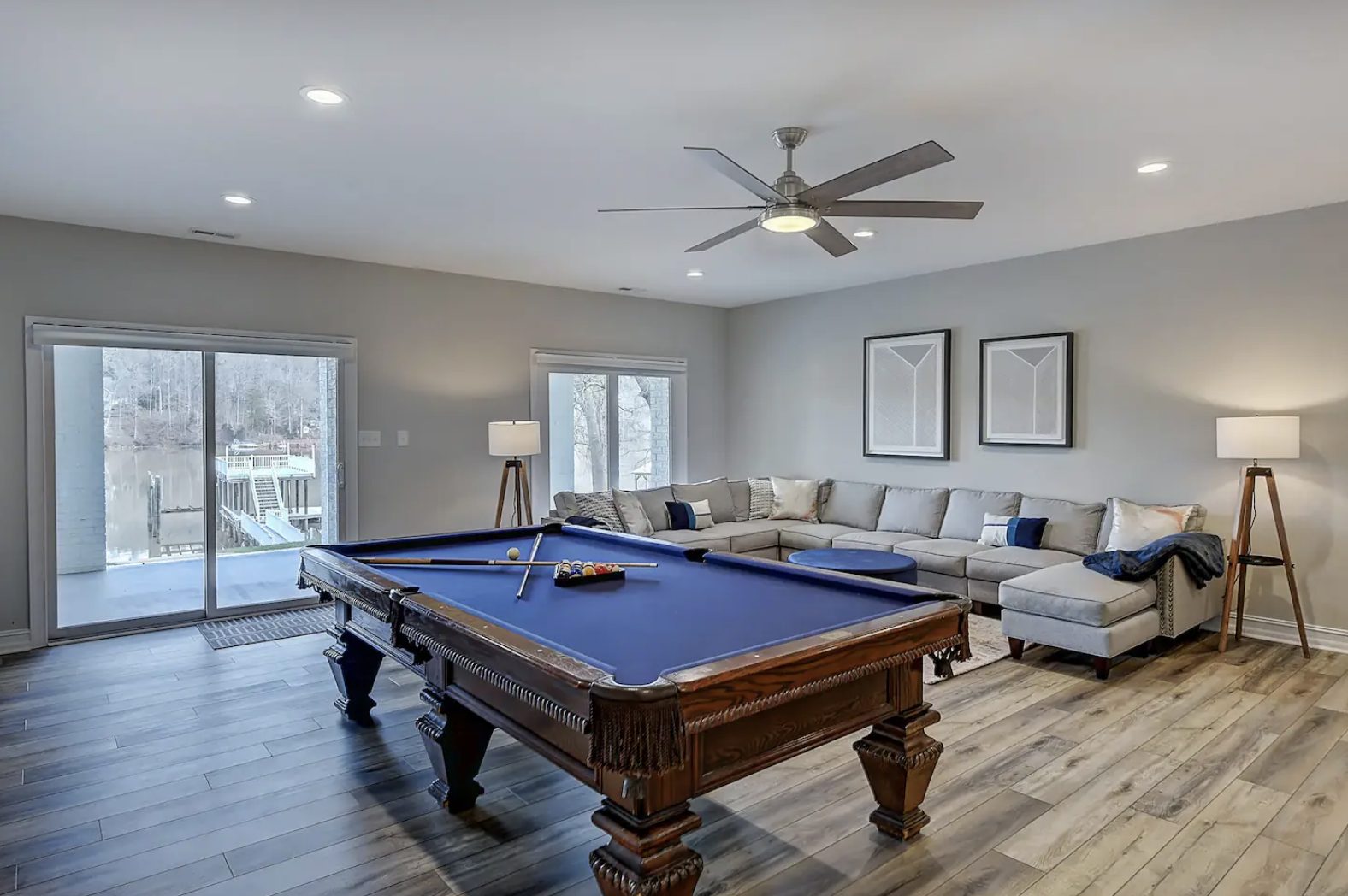
A workcation at a lake house sounds simple: same laptop, better view. The reality is decided by two unglamorous things. First, the internet, which no listing photo shows. Second, doors, because a house full of people on vacation and one person on a earnings call is a scheduling conflict with a soundtrack. Get those two right and a week working from Lake Wylie, about 25 minutes from Uptown Charlotte, beats a week at your kitchen table by a wide margin. Get them wrong and you have paid to do your job from a noisier version of home.
Here is how to set it up honestly, including the parts most rental listings would rather skip.
The Wi-Fi conversation (have it before you book, not after)
No responsible guide can tell you a rental house's internet is fast, because speed depends on the provider, the plan, the router, and how many people are streaming at 8 PM. What we can tell you is exactly how to find out, and it takes one short exchange with the host:
- Ask who the provider is and what plan the house is on. A named provider and a named tier is a good sign. A vague "great Wi-Fi" is not an answer.
- Ask where the router sits. A router in the main living area is fine for the couch and bad for a back bedroom office. This one answer decides which room you claim.
- Ask how it behaves with a full house. Sixteen guests on phones is a different load from two people on laptops. If you are coming midweek with a small group, say so; the load question mostly answers itself.
- Ask what the backup is. Some hosts have a second network or a house hotspot. Most do not. Either way, you know before you arrive.
Booking direct is what makes this conversation possible. On a platform, you are sending a message into a queue. Direct, you are asking the owner, who knows where the router is. Whatever the answers, bring your own backup: a phone plan that allows hotspot data, big files downloaded before the trip, and cloud uploads scheduled overnight instead of between calls.
Setting up a workspace in a house built for weekends
A vacation house is not an office, and pretending otherwise is how people end up taking investor calls from a kayak. Set up like you mean it:
Claim a bedroom, not a common room. Five bedrooms means five doors that close. A bedroom office gives you a door, a door gives you quiet, and quiet is the whole product. The living room becomes group headquarters by mid-morning, and the game room is exactly as loud as it sounds.
Bring your whole kit. Laptop, charger, headset, power strip, and a laptop stand or a stack-of-books plan. Add a portable monitor only if you truly cannot work without one; most people find the friction of a second screen is not worth it for a week. Do not assume any rental house is stocked like an office, because none of them are.
Fix your call background and lighting once. Sit facing a window or a lamp, not with a window behind you. Check what is behind your chair on camera before the first call, not during it. A lake in the background is a pleasant detail. A relative in swimwear crossing behind you is also a detail, of a different kind.
Announce your call blocks. Put the two or three hours a day when the office door is closed on the group chat. Workcations fail socially, not technically: the group plans the boat day at the exact time of your one unmissable meeting because nobody knew.
The rhythm of a working lake day
The point of working from the lake instead of your house is the edges of the day. Build them in:
- Early start, dock finish. Start an hour earlier than usual while the house is quiet, and you can be on the water when other people are commuting. Kayaks are at the dock; a 30-minute paddle before dinner is a better reset than a second coffee.
- Midday break on the water. A swim at lunch clears your head in a way a walk around the block does not. Keep a swimsuit and towel by the office door so the break costs five minutes, not twenty.
- One Charlotte evening. Uptown is about 25 minutes: a Hornets or Knights game, or just dinner somewhere you did not cook. Our day in Charlotte guide plans it out.
- Friday is the flex day. CLT airport is about 15–20 minutes from the house and is an American Airlines hub, per the airport's own site at cltairport.com. That makes two easy patterns possible: you fly out Friday evening after a full work week, or your family flies in Friday and the workcation turns into a weekend. Our 48-hour itinerary picks up right there.
The week-stay math
Run the comparison the way you would run any expense: total cost, not nightly headline.
- The house: one nightly rate for a house that sleeps 16, whether two of you use it or ten. Weeknight and off-season rates at big lake houses run well below weekend peak; ask about week pricing when you book direct.
- The fee saving: the same house on a booking platform carries a 12–15% guest service fee. On a five-night stay that is real money, often enough to cover the week's groceries.
- The food line: a kitchen turns three restaurant meals a day into one grocery run plus one or two meals out. For a work week, this is usually the biggest single saving after lodging.
- The hotel column: per-night room rate times five, plus parking, plus every meal out, plus a workspace that is a desk in the room you sleep in. Fine for one person on a short trip. Expensive and strangely lonely for a week.
For a solo worker, call it roughly even and decide on lifestyle. For two coworkers, a couple where one works, or a family, the house pulls ahead clearly. Teams doing this together should also read our corporate retreat guide, which covers the offsite version of the same math. And if you are eyeing the quiet season, a winter workcation is the cheapest version of this trip; the winter at the lake house guide explains why locals like it.
Who this works for, and who it does not
Works well: writers, planners, designers, developers, anyone whose week is deep work punctuated by a few calls. Also anyone stacking a work week onto a family weekend, which is the single most common pattern we see: work Monday to Friday, family arrives or surfaces for the weekend, nobody pays for two trips.
Works badly: jobs that are wall-to-wall video with clients all day in a full house, roles that need guaranteed enterprise bandwidth, and anyone whose boss thinks the lake in your background means you are not working. If your week is six hours of calls daily, come with a small group or come in the off-season when the house is quiet, and have the Wi-Fi conversation twice.
The short version
Ask the host three specific questions about the internet. Claim a bedroom with a door. Bring your whole kit and a hotspot backup. Work early, swim at lunch, and let Friday turn into the weekend. Book the week at windygap-retreat.com/book so the platform fee stays in your pocket, and tell the owner you are working when you inquire: you will get straighter answers on the router, the quiet rooms, and week pricing than any listing page will give you.